3rd World Annual International Congress of the Endoscopic Transorbital Society (ETOS)
7th International Workshop – Endoscopic Transorbital Skull Base Surgery
BARCELONA
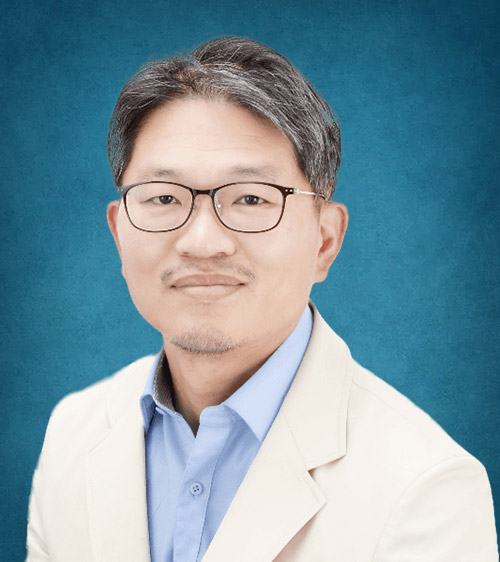
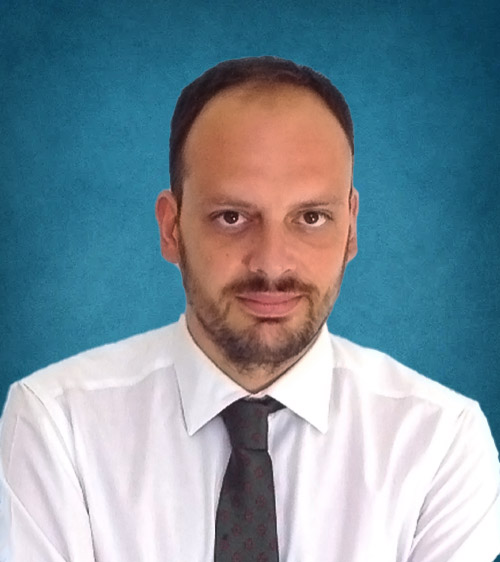
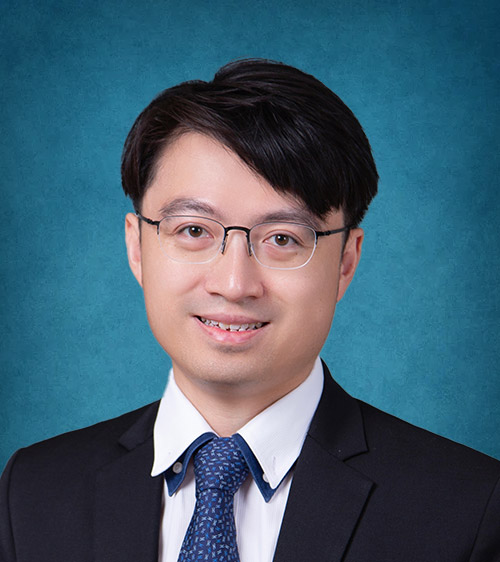
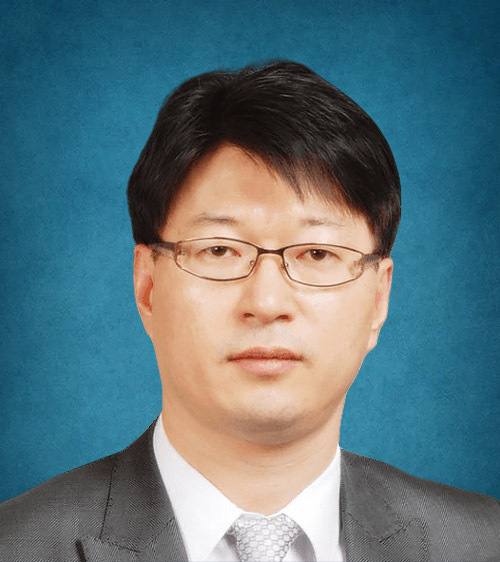
Congress directors
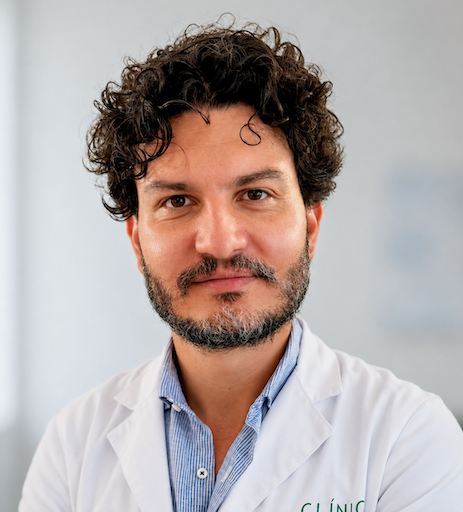
Joaquim Enseñat
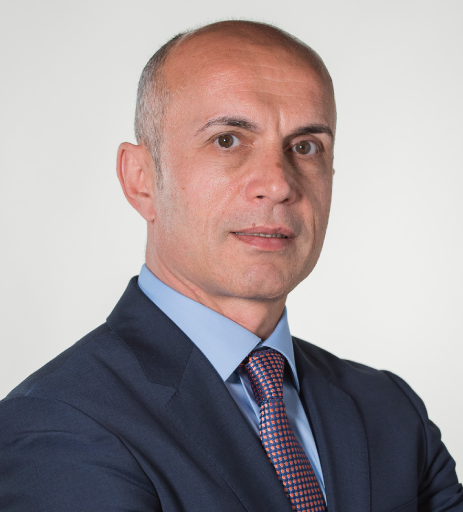
Alberto Di Somma
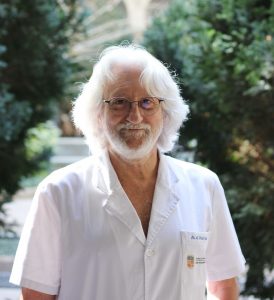
Isam Alobid
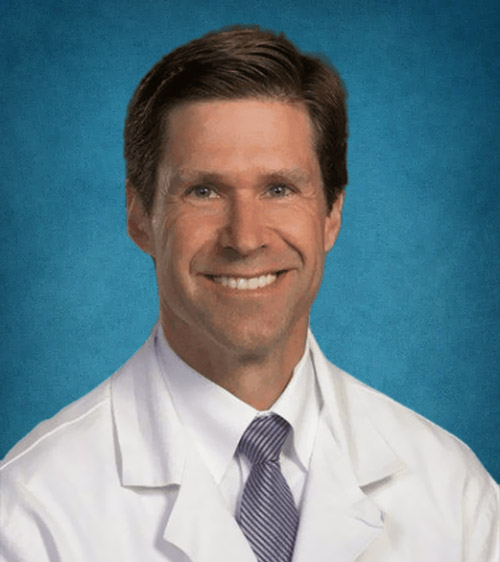
Alberto Prats
Congress directors
Joaquim Enseñat
Alberto Di Somma
Isam Alobid
Alberto Prats
3rd World Annual International Congress of the Endoscopic Transorbital Society (ETOS)
BARCELONA
12th - 13th NOVEMBER 2026
- 00Days
- 00Hours
- 00Minuts
- 00Seconds
Congress directors
Joaquim Enseñat
Alberto Di Somma
Isam Alobid
Alberto Prats
Congress directors
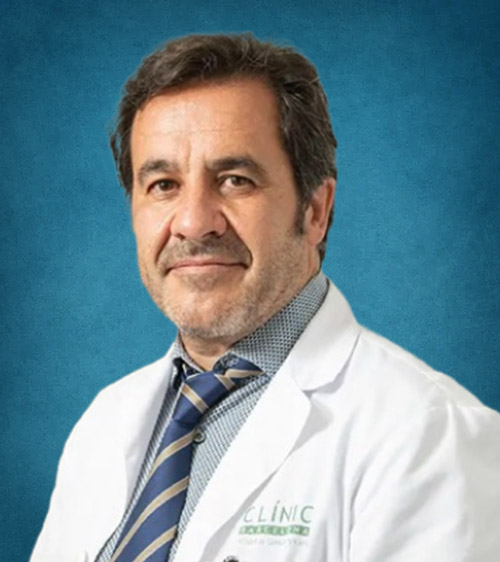
Alberto Prats
MD, PhD
Professor, Universitat de Barcelona.
Laboratory of Surgical NeuroAnatomy (LSNA), Hospital Clínic de Barcelona.
Faculty
Lecture Day: Thursday, November 12
Venue:
Aula Magna, Faculty of Medicine, University of Barcelona
C/ Casanova, 143, Barcelona
- Opening Ceremony
- Session I
- Session II
- Session III
- Session IV
- Session V
- Session VI
- Closing
| 08:00–08:05 | Welcome Remarks | Joaquim Enseñat Hospital Clínic de Barcelona, University of Barcelona, Spain |
| 08:05–08:15 | Presidential Address The Story of Endoscopic Transorbital Surgery: Historical Perspectives and Future Directions |
Theodore Schwartz Icahn School of Medicine at Mount Sinai, New York, USA |
| 08:15–08:25 | ETOS Secretary Address Building the International Transorbital Community |
Alberto Di Somma Hospital Clínic de Barcelona, University of Barcelona, Spain |
| 08:25–08:40 | 3D Anatomy of the Transorbital Approach | Jaskaran Singh Patiala, India |
| 08:40–08:55 | A Narrow Corridor or a Trendy Choice? Quantifying Surgical Freedom in Endoscopic Transorbital Surgery | Ben Chat-Fong Ng Queen Elizabeth Hospital, Hong Kong |
| 08:55–09:10 | Quantifying the Transorbital Corridor: A 3D Photogrammetric Approach | Toma Spiriev University Hospital «St. Ivan Rilski», Bulgaria |
| 09:10–09:25 | Anterior Cranial Fossa Meningiomas: My Surgical Decision-Making | Sébastien Froelich Lariboisière Hospital, Université Paris Cité, France |
| 09:25–09:40 | Spheno-Orbital Meningiomas: Transcranial vs. Transorbital | Donato Pacione NYU Langone Health, New York, USA |
| 09:40–09:55 | Sphenoid Wing Meningiomas: The Bologna Experience | Matteo Zoli University of Bologna, Italy |
| 09:55–10:10 | Petroclival Meningiomas: Transorbital, Transcranial and e-Kawase Approaches | Chang-Ki Hong Asan Medical Center, University of Ulsan College of Medicine, South Korea |
| 10:10–10:25 | Anterior Clinoid Meningiomas: Transcranial vs. Transorbital | Pierre-Olivier Champagne Université Laval, Canada |
| 10:25–10:40 | Why the Orbit: Anatomical Factors Guiding Surgical Strategy for selected Skull Base Meningiomas | Matteo de Notaris University of Salerno, Italy |
| 10:40–11:00 | Coffee Break | |
| 11:00–11:15 | Trigeminal Schwannomas: When to Choose the Transorbital Approach | Doo-Sik Kong Samsung Medical Center, Sungkyunkwan University School of Medicine, South Korea |
| 11:15–11:30 | Transorbital Surgery for Meckel’s Cave and Surrounding Areas | Alberto Di Somma Hospital Clínic de Barcelona, University of Barcelona, Spain |
| 11:30–11:45 | Cavernous Sinus Surgery: My Decision-Making Approach | Theodore Schwartz Icahn School of Medicine at Mount Sinai, New York, USA |
| 11:45–12:00 | Transorbital Surgery for Trigeminal Schwannomas: The Mexican Experience | Juan Luis Gómez Amador |
| 12:00–12:15 | 360° Biportal (Transorbital and Endonasal) Surgery for Invasive PitNet | Calvin Mak Queen Elizabeth Hospital, Hong Kong |
| 12:15–12:30 | Simultaneous Endonasal and Transorbital Surgery: Improving Efficiency Without Compromising Outcomes | Byron de John Groote Schuur Hospital, University of Cape Town, South Africa |
| 12:30–12:34 | Oral Communication 1 | Selected Abstract |
| 12:34–12:49 | Expanding TONES: Frontal Sinus and Superior Orbital Approaches | Kris Moe University of Washington, Seattle, USA |
| 12:49–13:04 | The Barcelona Multidisciplinary Experience in Endoscopic Transorbital Surgery | Isam Alobid Hospital Clínic de Barcelona, University of Barcelona, Spain |
| 13:04–13:19 | Transorbital Management of Cerebrospinal Fluid Leaks | Darlene Lubbe University of Cape Town, South Africa |
| 13:19–13:34 | Lateral Sphenoid Sinus Recess Pathology: Beyond the Endonasal Approach | Víctor R. Chavez-Herrera Mexico |
| 13:34–13:49 | Transorbital Neuroendoscopic Transmaxillary Approach to the Pterygopalatine Fossa (TONES-Tmax) | Javier M. Saavedra Colombia |
| 13:49–13:53 | Oral Communication 2 | Selected Abstract |
| 13:53–14:28 | Lunch Break Poster Viewing & Evaluation | |
| 14:13–14:28 | Functional Neurosurgery Through Transorbital Corridors | Pedro Roldán Spain |
| 14:28–14:43 | Transorbital Approaches for Anteromedial Temporal Lobe Gliomas | Jonathan Tangsrivimol Thailand |
| 14:43–15:58 | Tailoring the Transorbital Approach: Bone Resection Strategies for Intracranial Pathologies | Edisher Maghalashvili Georgia |
| 14:58–15:13 | Beyond Skull Base Surgery: Keyhole Routes to the Mesial Temporal Lobe | Pascal Lavergne, Université de Montréal — Hôpital du Sacré-Coeur de Montréal (CIUSSS NIM) / Hôpital Maisonneuve- Rosemont (CIUSSS EMTL), Canada |
| 15:13–15:28 | Transorbital Approach in the Management of Penetrating Head Injury | Krisna Tsaniadi Prihastomo Indonesia |
| 15:28–15:43 | Endoscopic Transorbital Approach to the Infratemporal Fossa | Francesco Corrivetti Sapienza University of Rome, Italy |
| 15:43–15:58 | Exoscope, Endoscope or Both? Optimizing Visualization in Endoscopic Transorbital Surgery | Eyüp Bayatlı Ankara University School of Medicine, Turkey |
| 15:58–16:13 | The Extended Inferolateral Transconjunctival Endoscopic Approach (e-ILTEA) | Breno Câmara Brazil |
| 16:13–16:28 | The Indications for TONES: The AIM Framework | Catherine Banks Australia |
| 16:28–16:38 | Coffee Break | |
| 16:38–16:53 | Transorbital Vascular Surgery: Is It Truly Minimally Invasive? | Ramon Torné Hospital Clínic de Barcelona, Spain |
| 16:53–17:08 | Transorbital Approaches for Cerebral Aneurysms: Early Clinical Experience | Joel Caballero Ecuador |
| 17:08–17:23 | Transorbital Aneurysm Surgery: Surgical Planning and Virtual Reality | Walter Jean Canada |
| 17:23–17:38 | Can Aneurysms Be Treated Through the Orbit? The Cleveland Clinic Experience | Mauricio Mandel Cleveland Clinic Florida, USA |
| 17:38–17:53 | The Evidence Behind Endoscopic Transorbital Surgery: Outcomes, Complications and Future Directions | Guilherme Gago Canada |
| 17:53–18:08 | Postoperative CSF Leak After Transorbital Surgery: Prevention and Management | Doron Sommer & Kesh Reddy McMaster University, Canada |
| 18:08–18:23 | An Oculoplastic Perspective on Transorbital Neuroendoscopic Surgery | Dinesh Selva Australia |
| 18:23–18:38 | Transorbital Surgery for Pediatric Orbital Trauma: From Reconstruction to Functional Recovery | Gardashkhan Karimzada Azerbaijan |
| 18:38–18:42 | Oral Communication 3 | Selected Abstract |
| 18:42–18:46 | Oral Communication 4 | Selected Abstract |
| 🏆 ETOS Best Oral Communication Award (€500) | ||
| 🏆 ETOS Best Poster Award (€500) | ||
| Closing Remarks Theodore Schwartz • Joaquim Enseñat • Alberto Di Somma |
A Truly Global Faculty
38 internationally recognized experts from 20 countries across all six inhabited continents, making ETOS 2026 the most globally representative meeting in the history of the Endoscopic Transorbital Society.
Represented Continents
🌍 Africa • 🌏 Asia • 🌍 Europe • 🌎 North America • 🌎 South America • 🌏 Oceania
Countries Represented
Australia • Azerbaijan • Brazil • Bulgaria • Canada • Colombia • Ecuador • France • Georgia • Hong Kong • India • Indonesia • Italy • Mexico • South Africa • South Korea • Spain • Thailand • Turkey • USA
Faculty Overview | |
|---|---|
| ETOS Founding Members | 9 founding members |
| International Faculty | 29 invited faculty members from leading institutions worldwide |
| Total Faculty | 38 Faculty Members |
| Global Representation | 20 Countries • All 6 Inhabited Continents |
| Scientific Programme | 40 Faculty Lectures • 4 Oral Communications • Unlimited Poster Presentations |
| Awards | 🏆 Best Oral Communication Award (€500)🏆 Best Poster Award (€500)
|
Dissection Day: Friday, November 13
Venue:
Anatomy Department, Faculty of Medicine, University of Barcelona
C/ Casanova, 143, Barcelona
| 08:00 – 08:30 |
Lecture
Endoscopic Transorbital Approach to the Skull Base. Full-Day Lab Workflow
Dr. Alberto Di Somma
|
| 08:30 – 09:30 |
Skin Phase (Superior Eyelid)
|
| 09:30 – 10:30 |
Working Space Phase (LOR Removal)
|
| 10:30 – 11:00 |
Working Space (Orbital Wall Drilling)
|
| 11:00 – 11:45 |
Coffee Break
|
| 11:45 – 12:30 |
Lesser Sphenoid Wing Exposure
|
| 12:30 – 13:00 |
Lesser Sphenoid Wing Removal
|
| 13:00 – 14:00 |
Sagittal Crest
|
| 14:00 – 14:45 |
Lunch
|
| 15:00 – 16:00 |
Anterior Clinoid
|
| 16:00 – 16:45 |
Middle Fossa Floor & Pterion
|
| 16:45 – 17:45 |
Petrous Apex
|
| 17:45 – 19:00 |
Dura Opening – Intradural Dissection
|
| 19:00 – 19:30 |
Discussion and Final Remarks
|
Course Pricing Structure
Full Course (Lectures + Dissection): 2500€
(ETOS membership included)
Dissection Only: 2000€
(ETOS membership included)
Lectures Only: 500€
(ETOS membership included)
Registration fee includes a one-year ETOS membership. Active ETOS members will receive a 100€ discount coupon.