

3rd World Annual International Congress of the Endoscopic Transorbital Society (ETOS)
7th International Workshop – Endoscopic Transorbital Skull Base Surgery
BARCELONA
Congress directors
Joaquim Enseñat
Alberto Di Somma
Isam Alobid
Alberto Prats
Congress directors
Joaquim Enseñat
Alberto Di Somma
Isam Alobid
Alberto Prats
3rd World Annual International Congress of the Endoscopic Transorbital Society (ETOS)
BARCELONA
12th - 13th NOVEMBER 2026
- 00Days
- 00Hours
- 00Minuts
- 00Seconds
Congress directors
Joaquim Enseñat
Alberto Di Somma
Isam Alobid
Alberto Prats
Congress directors
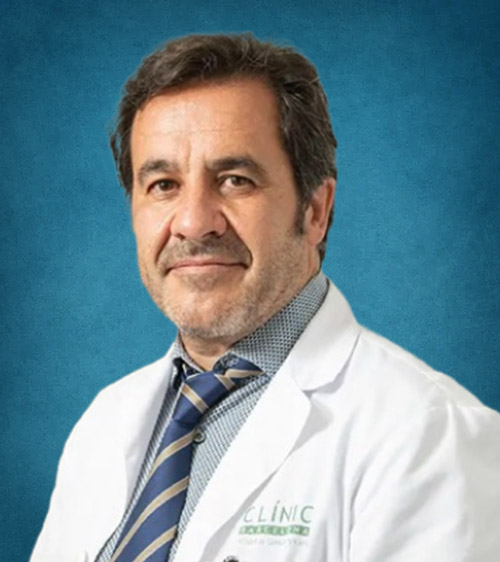
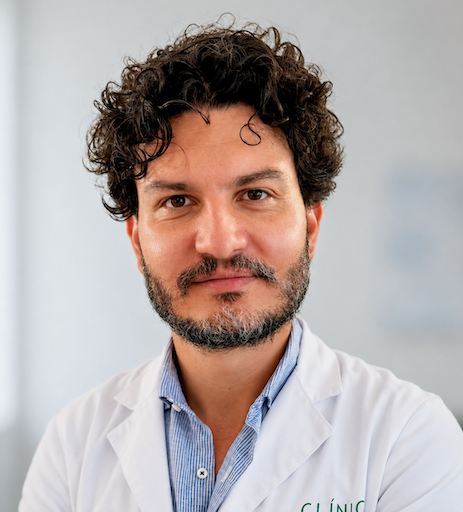
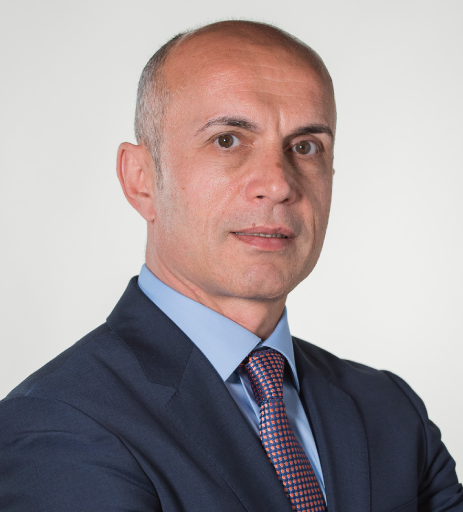
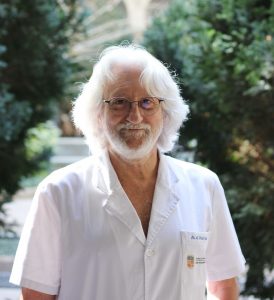
Alberto Prats
MD, PhD
Professor, Universitat de Barcelona.
Laboratory of Surgical NeuroAnatomy (LSNA), Hospital Clínic de Barcelona.
Faculty
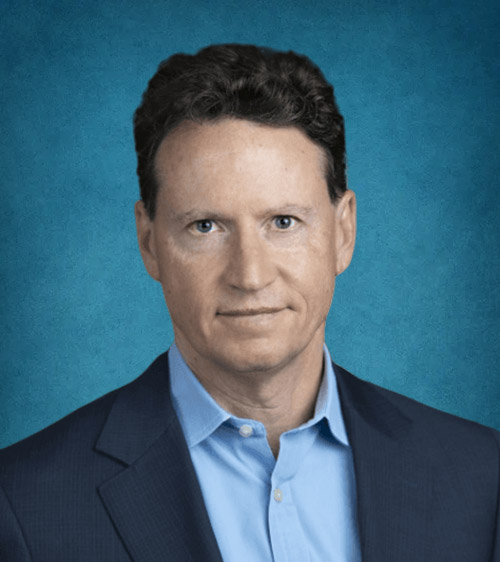
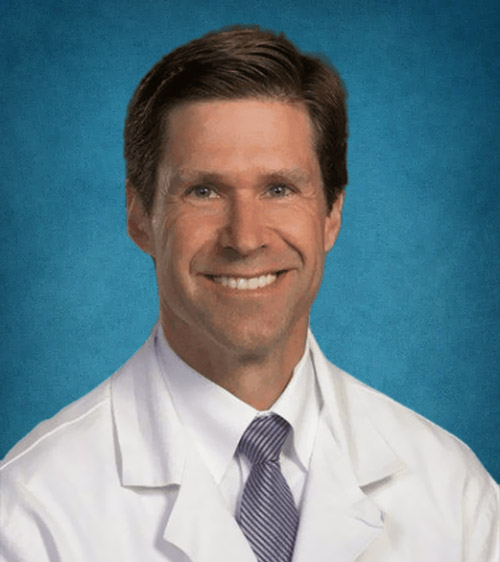
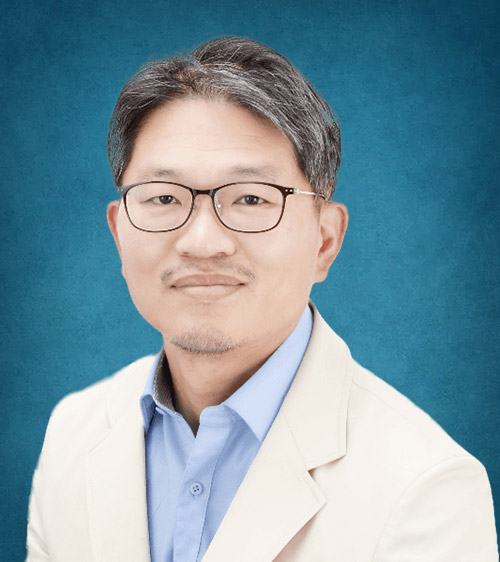
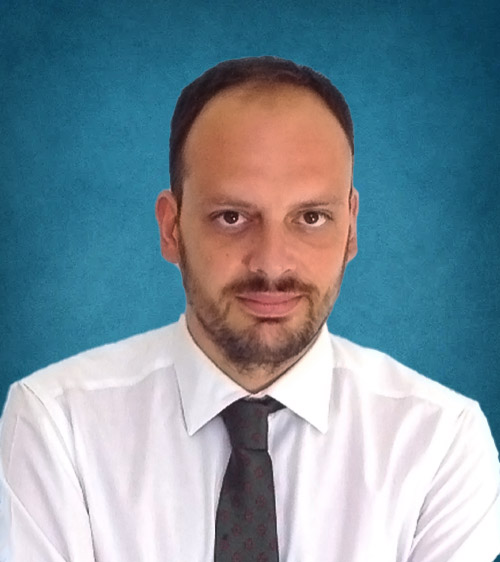
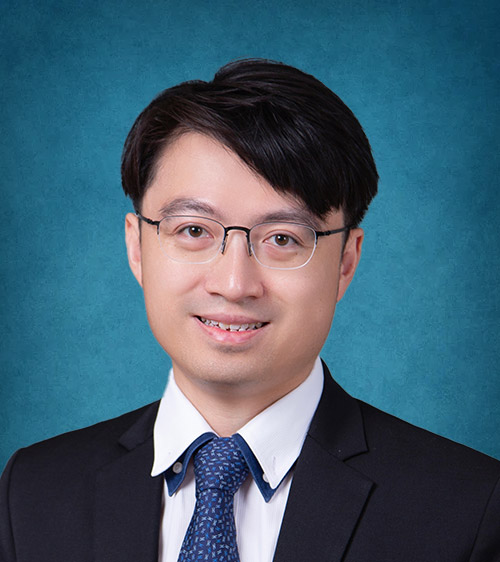
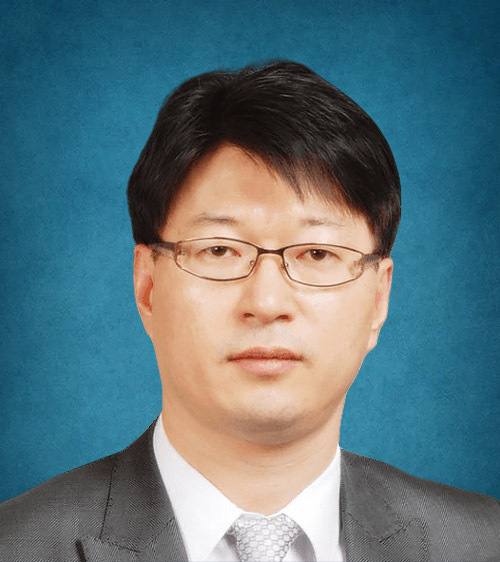

Lecture Day: Thursday, November 12
Venue:
Aula Magna, Faculty of Medicine, University of Barcelona
C/ Casanova, 143, Barcelona
A Truly Global Faculty
39 internationally recognized experts from 20 countries across all six inhabited continents, making ETOS 2026 the
most globally representative meeting in the history of the Endoscopic Transorbital Society.
Represented Continents
🌍 Africa • 🌏 Asia • 🌍 Europe • 🌎 North America • 🌎 South America • 🌏 Oceania
Countries Represented
Australia • Azerbaijan • Brazil • Bulgaria • Canada • Colombia • Ecuador • France • Georgia • Hong Kong • India • Indonesia • Italy • Mexico • South Africa • South Korea • Spain • Thailand • Turkey • USA
Faculty Overview | |
|---|---|
| ETOS Founding Members | 9 founding members |
| International Faculty | 30 invited faculty members from leading institutions worldwide |
| Total Faculty | 39 Faculty Members |
| Global Representation | 20 Countries • All 6 Inhabited Continents |
| Scientific Programme | 40 Faculty Lectures • 9 Oral Communications • Unlimited Poster Presentations |
| Awards | 🏆 Best Oral Communication Award (€500)🏆 Best Poster Award (€500) |
- Opening Ceremony
- Session I
- Session II
- Session III
- Session IV
- Session V
- Session VI
- Closing
| 08:00–08:02 | Welcome Remarks | Joaquim Enseñat Hospital Clínic de Barcelona, University of Barcelona, Spain |
| 08:02–08:07 | ETOS Secretary Address | Alberto Di Somma |
| 08:07–08:17 | Presidential Address The Story of Endoscopic Transorbital Surgery: Historical Perspectives and Future Directions | Theodore Schwartz Icahn School of Medicine at Mount Sinai, New York, USA |
| 08:17–08:27 | 3D Anatomy of the Transorbital Approach | Jaskaran Singh Gosal AIIMS Jodhpur, India |
| 08:27–08:37 | Quantifying the Transorbital Corridor: A 3D Photogrammetric Approach | Toma Spiriev University Hospital «St. Ivan Rilski», Bulgaria |
| 08:37–08:47 | A Narrow Corridor or a Trendy Choice? Quantifying Surgical Freedom in Endoscopic Transorbital Surgery | Ben Chat-Fong Ng Queen Elizabeth Hospital, Hong Kong |
| 08:47–08:57 | Petroclival Meningiomas: Transorbital, Transcranial and e-Kawase Approaches | Chang-Ki Hong Asan Medical Center, Univ. of Ulsan, South Korea |
| 08:57–09:07 | Anterior Clinoid Meningiomas: Transcranial vs. Transorbital | Pierre-Olivier Champagne Université Laval, Canada |
| 09:07–09:17 | Spheno-Orbital Meningiomas: Transcranial vs. Transorbital | Donato Pacione NYU Langone Health, New York, USA |
| 09:17–09:27 | Tailoring the Transorbital Approach: Bone Resection Strategies for Intracranial Pathologies | Edisher Maghalashvili Georgia |
| 09:27–09:37 | Why the Orbit: Anatomical Factors Guiding Surgical Strategy for Selected Skull Base Meningiomas | Matteo de Notaris University of Salerno, Italy |
| 09:37–09:47 | Sphenoid Wing Meningiomas: The Bologna Experience | Matteo Zoli University of Bologna, Italy |
| 09:47–09:57 | Session Discussion | |
| 09:57–10:02 | Oral Communication 1 Endoscopic Kawase’s Approach: Early Clinical Experience, Technical Nuances, and Indications | Won-Jae Lee (PA), Doo-Sik Kong Samsung Medical Center, Sungkyunkwan University, Seoul, South Korea |
| 10:02–10:07 | Oral Communication 2 Endoscopic Endonasal Approach to the Orbital Apex and Lateral CS Tumor: A Case Report | Dong-Won Shin (PA) Gachon University Gil Medical Center, South Korea |
| 10:07–10:12 | Oral Communication 3 Combined Supraorbital–Transorbital Approach Versus Single-Corridor Keyhole Craniotomy for Large Skull Base Meningiomas | Raywat Noiphithak (PA), Pree Nimmannitya Thammasat University, Pathumthani, Thailand |
| 10:12–10:22 | Session Discussion |
| 10:37–10:47 | Recent Updates in Advanced TOA for the 3rd ETOS Congress | Doo-Sik Kong Samsung Medical Center, South Korea |
| 10:47–10:57 | Transorbital Surgery for Meckel’s Cave and Surrounding Areas | Alberto Di Somma Hospital Clínic de Barcelona, Spain |
| 10:57–11:07 | Cavernous Sinus Surgery: My Decision-Making Approach | Theodore Schwartz Icahn School of Medicine at Mount Sinai, USA |
| 11:07–11:17 | Transorbital Surgery for Trigeminal Schwannomas: The Mexican Experience | Juan Luis Gómez Amador Hospital General «Dr. Manuel Gea González», Mexico |
| 11:17–11:27 | 360° Biportal (Transorbital and Endonasal) Surgery for Invasive PitNET | Calvin Mak Queen Elizabeth Hospital, Hong Kong |
| 11:27–11:37 | Simultaneous Endonasal and Transorbital Surgery: Improving Efficiency Without Compromising Outcomes | Byron de John Groote Schuur Hospital, Univ. of Cape Town, South Africa |
| 11:37–11:47 | Session Discussion | |
| 11:47–11:52 | Oral Communication 4 The 2026 Fortaleza Experience with Transorbital Neuroendoscopic Surgery (TONES): A Single-Center Case Series | Tiago Holanda (PA), Lucas Alverne, Lara Malveira, Isnara Pimentel Holanda General Hospital of Fortaleza, Brazil |
| 11:52–11:57 | Oral Communication 5 Endoscopic Transorbital Approach to Infratemporal Fossa (ITF): Cadaveric Feasibility Study and Clinical Application | Ju Hyung Moon (PA), Min Kyun Na, Jihwan Yoo, Kyoung Su Sung, Jaejoon Lim Severance Hospital, Yonsei University, Seoul, South Korea |
| 11:57–12:02 | Oral Communication 6 Bilateral Arterial and Venous Perfused Fresh-Frozen Cadaveric Model for Endoscopic Cavernous Internal Carotid Artery Injury: Operative Technique and Surgical Nuances | Long Wang (PA), Yuanbo Pan, Lijun Heng, Zhongshuai Ma, Ruowu Shen, Xiaochuan Huo Beijing Anzhen Hospital, Capital Medical University, Beijing, China |
| 12:02–12:12 | Session Discussion |
| 12:12–12:22 | Expanding TONES: Frontal Sinus and Superior Orbital Approaches | Kris Moe University of Washington, Seattle, USA |
| 12:22–12:32 | The Barcelona Multidisciplinary Experience in Endoscopic Transorbital Surgery | Isam Alobid Hospital Clínic de Barcelona, Spain |
| 12:32–12:42 | Transorbital Management of Cerebrospinal Fluid Leaks | Darlene Lubbe University of Cape Town, South Africa |
| 12:42–12:52 | Lateral Sphenoid Sinus Recess Pathology: Beyond the Endonasal Approach | Víctor R. Chavez-Herrera Mexico |
| 12:52–13:02 | Endoscopic Transorbital Approach to the Infratemporal Fossa | Francesco Corrivetti Sapienza University of Rome, Italy |
| 13:02–13:12 | Transorbital Neuroendoscopic Transmaxillary Approach to the Pterygopalatine Fossa (TONES-Tmax) | Javier M. Saavedra Colombia |
| 13:12–13:22 | Session Discussion | |
| 13:22–13:27 | Oral Communication 7 Eyelid Transorbital Approach with Cylinder and Real-Time Navigation | Mao Yokota (PA) Aichi Medical University, Nagakute, Japan |
| 13:27–13:32 | Oral Communication 8 The Foramen of Hyrtl and Meningolacrimal Artery (FOH/MLA) Complex: An Anatomical Landmark for Early Identification of the Superior Orbital Fissure in the Endoscopic Transorbital Approach | Yuanbo Pan (PA), Ben Chat-Fong Ng, Zhongshuai Ma, Zhao Wang, Feng Cai, Long Wang Zhejiang University School of Medicine, Hangzhou, China |
| 13:32–13:37 | Oral Communication 9 The Chopstick Technique in TONES: Improving Ergonomics and Instrument Coordination | Daniel Ronconi (PA), Breno Câmara Hospital Dom José Maria Pires, João Pessoa, Brazil |
| 13:37–13:42 | Oral Communication 10 An Anatomical Investigation of a Contralateral Transorbital Approach to the Petrous Apex | Chris Seward (PA), Kris Moe Augusta University / Medical College of Georgia, USA (co-author: Univ. of Washington, Seattle, USA) |
| 13:42–13:53 | Session Discussion |
| 14:53–15:03 | Functional Neurosurgery Through Transorbital Corridors | Pedro Roldán Spain |
| 15:03–15:13 | Transorbital Approach for Epilepsy Surgery | Sébastien Froelich Lariboisière Hospital, Université Paris Cité, France |
| 15:13–15:23 | Transorbital Approaches for Anteromedial Temporal Lobe Gliomas | Jonathan Tangsrivimol Thailand |
| 15:23–15:33 | Beyond Skull Base Surgery: Keyhole Routes to the Mesial Temporal Lobe | Pascal Lavergne, MD, FRCSC Université de Montréal — Hôpital du Sacré-Coeur de Montréal (CIUSSS NIM) / Hôpital Maisonneuve-Rosemont (CIUSSS EMTL), Canada |
| 15:33–15:43 | Transorbital Approach in the Management of Penetrating Head Injury | Krisna Tsaniadi Prihastomo Indonesia |
| 15:43–15:53 | The Extended Inferolateral Transconjunctival Endoscopic Approach (e-ILTEA) | Breno Câmara Brazil |
| 15:53–16:03 | The Indications for TONES: The AIM Framework | Catherine Banks Australia |
| 16:03–16:13 | Exoscope, Endoscope or Both? Optimizing Visualization in Endoscopic Transorbital Surgery | Eyüp Bayatli Ankara University, Turkey |
| 16:13–16:23 | Session Discussion | |
| 16:23–16:28 | Oral Communication 11 Temporal Lobe White Matter Anatomy from a Transorbital Perspective: Implications for Selective Amygdalohippocampectomy | Tingting Jiang (PA), Pablo González López, Javier Abarca, Christian Cossandi, Alberto Prats-Galino, Joaquim Enseñat, Alberto Di Somma Maggiore della Carità Hospital, Novara, Italy |
| 16:28–16:33 | Oral Communication 12 The Transorbital Eyebrow Lacrimal Keyhole Approach (TELKA): Surgical Technique and Preliminary Case Series | Arianna Fava (PA), Rosaria Abbritti, Yohan Caudron, Thibault Passeri, Tingting Jiang, Luca Ferlendis, Adrien Zanin, Francine Chassoux, Bertrand Devaux, Emmanuel Mandonnet, Sébastien Froelich Hôpital Lariboisière, Paris, France |
| 16:33–16:38 | Oral Communication 13 Endoscopic Transorbital Selective Amygdalohippocampectomy: 3D Anatomical Quantitative Photogrammetric Study | Edoardo Agosti (PA), Yousef Odeibat, Claudia Restrepo, Guilherme Gago, Pascal Lavergne, Pierre-Olivier Champagne CHU de Québec – Université Laval, Québec City, Canada |
| 16:38–16:43 | Oral Communication 14 Custom Orbital Retractor Reduces Retraction-Related Orbital Complications | Asim Sheikh (PA), Lisa Ferrie, Jiten Parmar Leeds General Infirmary, Leeds, UK |
| 16:43–16:54 | Session Discussion |
| 16:54–17:04 | Transorbital Vascular Surgery: Is It Truly Minimally Invasive? | Ramon Torné Hospital Clínic de Barcelona, Spain |
| 17:04–17:14 | Transorbital Approaches for Cerebral Aneurysms: Early Clinical Experience | Joel Caballero Ecuador |
| 17:14–17:24 | Transorbital Aneurysm Surgery: Surgical Planning and Virtual Reality | Walter Jean Canada |
| 17:24–17:34 | Can Aneurysms Be Treated Through the Orbit? The Cleveland Clinic Experience | Mauricio Mandel Cleveland Clinic Florida, USA |
| 17:34–17:44 | The Evidence Behind Endoscopic Transorbital Surgery: Outcomes, Complications and Future Directions | Guilherme Gago Canada |
| 17:44–17:54 | Postoperative CSF Leak After Transorbital Surgery: Prevention and Management | Doron Sommer & Kesh Reddy McMaster University, Canada |
| 17:54–18:04 | Transorbital Surgery for Pediatric Orbital Trauma: From Reconstruction to Functional Recovery | Gardashkhan Karimzada Azerbaijan |
| 18:04–18:14 | An Oculoplastic Perspective on Transorbital Neuroendoscopic Surgery | Dinesh Selva Australia |
| 18:14–18:24 | Transorbital Surgery in Children: Lessons from the Rady Children’s Experience | Michael L. Levy Rady Children’s Hospital, San Diego, USA |
| 18:24–18:34 | Session Discussion | |
| 18:34–18:39 | Oral Communication 15 Endoscopic Lateral Orbital Approach for a Cranio-Orbital Developmental Lesion in a 1-Year-Old Infant: A Case-Based Review | Shaik Mohammed Saheer (PA) AIIMS, Jodhpur, India |
| 18:39–18:44 | Oral Communication 16 Musculoskeletal Symptoms in Endoscopic Sinus, Transnasal and Transorbital Skull Base Surgery: Workload and Ergonomics | Itai Margulis (PA), Hayley Monson, Raewyn Campbell, Marc Tewfik, Kesava Reddy, Jessy Moore, Dana Al-Majid, Doron D. Sommer McMaster University, Hamilton, Canada |
| 18:44–18:49 | Oral Communication 17 Exoscope-Assisted Proximal Corridor Monitoring in Endoscopic Transorbital Surgery: Preliminary Case Series | Yoshiaki Goto (PA) Teikyo University Hospital, Tokyo, Japan |
| 18:49–18:54 | Oral Communication 18 Toward Computational Neurosurgery: Can We Parameterize When ETOS Makes Geometric Sense? | Jay Nemade (PA) Georgian National University SEU, Tbilisi, Georgia |
| 18:54–18:59 | Oral Communication 19 A Geometry-Based Conceptual Framework for Accessory Corridor Selection in Endoscopic Multiport Skull Base Surgery: A Multicenter Clinical Experience | Shail Singh Chauhan (PA) AIIMS, Jodhpur, India |
| 18:59–19:10 | Session Discussion |
| 🏆 ETOS Best Oral Communication Award (€500) | ||
| 🏆 ETOS Best Poster Award (€500) | ||
| Closing Remarks Theodore Schwartz • Joaquim Enseñat • Alberto Di Somma |
Dissection Day: Friday, November 13
Venue:
Anatomy Department, Faculty of Medicine, University of Barcelona
C/ Casanova, 143, Barcelona
| 08:00 – 08:30 |
Lecture
Endoscopic Transorbital Approach to the Skull Base. Full-Day Lab Workflow
Dr. Alberto Di Somma
|
| 08:30 – 09:30 |
Skin Phase (Superior Eyelid)
|
| 09:30 – 10:30 |
Working Space Phase (LOR Removal)
|
| 10:30 – 11:00 |
Working Space (Orbital Wall Drilling)
|
| 11:00 – 11:45 |
Coffee Break
|
| 11:45 – 12:30 |
Lesser Sphenoid Wing Exposure
|
| 12:30 – 13:00 |
Lesser Sphenoid Wing Removal
|
| 13:00 – 14:00 |
Sagittal Crest
|
| 14:00 – 14:45 |
Lunch
|
| 15:00 – 16:00 |
Anterior Clinoid
|
| 16:00 – 16:45 |
Middle Fossa Floor & Pterion
|
| 16:45 – 17:45 |
Petrous Apex
|
| 17:45 – 19:00 |
Dura Opening – Intradural Dissection
|
| 19:00 – 19:30 |
Discussion and Final Remarks
|
Course Pricing Structure
Full Course (Lectures + Dissection): 2500€
(ETOS membership included)
Dissection Only: 2000€
(ETOS membership included)
Lectures Only: 500€
(ETOS membership included)
Registration fee includes a one-year ETOS membership. Active ETOS members will receive a 100€ discount coupon.